I hope you find this blog helpful as you plan your crowdfunding journey. If you’d like personalized support or expert guidance to help make your campaign a success, click here
Author: Adebayo Ogungbemile | Founder of Boostfunders
Introduction to Equity Crowdfunding
Equity crowdfunding has opened new doors for startups and small businesses to raise capital by offering shares to a broad pool of investors online. However, with this innovation comes a range of legal complexities that both founders and investors must navigate to ensure compliance and build trust. Unlike traditional fundraising methods, which frequently rely on a small group of wealthy investors or institutional backing, equity crowdfunding harnesses the power of the crowd by allowing a large number of people to invest relatively small sums of money in exchange for equity stakes in early-stage ventures.
Key Legal Regulations and Government Initiatives
Equity crowdfunding in the United States is primarily governed by the Jumpstart Our Business Startups (JOBS) Act, particularly Title III, and regulated by the Securities and Exchange Commission (SEC). Regulation Crowdfunding (Reg CF) sets the framework, including the $5 million annual fundraising cap, investor limits, and compliance measures.
In recent years, the U.S. government has supported crowdfunding innovation by updating SEC rules to increase fundraising caps and streamline disclosure processes for startups. These reforms have made it easier for early-stage companies to access capital while balancing investor protections.
A major legal factor is the distinction between accredited and non-accredited investors. Accredited investors meet specific income or net-worth thresholds, while non-accredited investors are limited by percentage-based caps. This term applies to the majority of investors who participate in the market, who are commonly referred to as retail investors. Reg CF has made it possible for both groups to participate broadening the investor pool but increasing regulatory scrutiny.
Key Takeaways
- A non-accredited investor is an investor who does not meet the income or net worth requirements of the SEC.
- A non-accredited investor makes less than $200,000 annually ($300,000 including a spouse) with a total net worth of less than $1 million when their primary residence is excluded.
- The SEC regulates what a non-accredited investor can invest in and what those investments need to provide in terms of documentation and transparency.
In the United States, the Securities and Exchange Commission (SEC) defines investors as financially capable or financially robust individuals who can afford to take on riskier investments.
Here’s what makes an individual an accredited investor (as of 2025). You must fulfill at least one of the following:
- Income: Make $200,000 a year (or $300,000 with a spouse) for the past two years and anticipate the same this year.
- Net Worth: Be worth $1 million, either on your own or with a spouse, excluding the primary residence.
- Professional Certification: Possess specific licenses such as Series 7, 65, or 82.
- Entity Qualification: If you’re a business investor, the business has to qualify on asset requirements or investor requirements.
Disclosure and Compliance Requirements
Startups are legally required to disclose financial statements, risk factors, intended use of funds, and company background. These filings must be accurate and updated throughout the campaign. Failing to meet disclosure standards may result in civil penalties or even legal action from investors or the SEC.
Crowdfunding Platform Legal Responsibilities
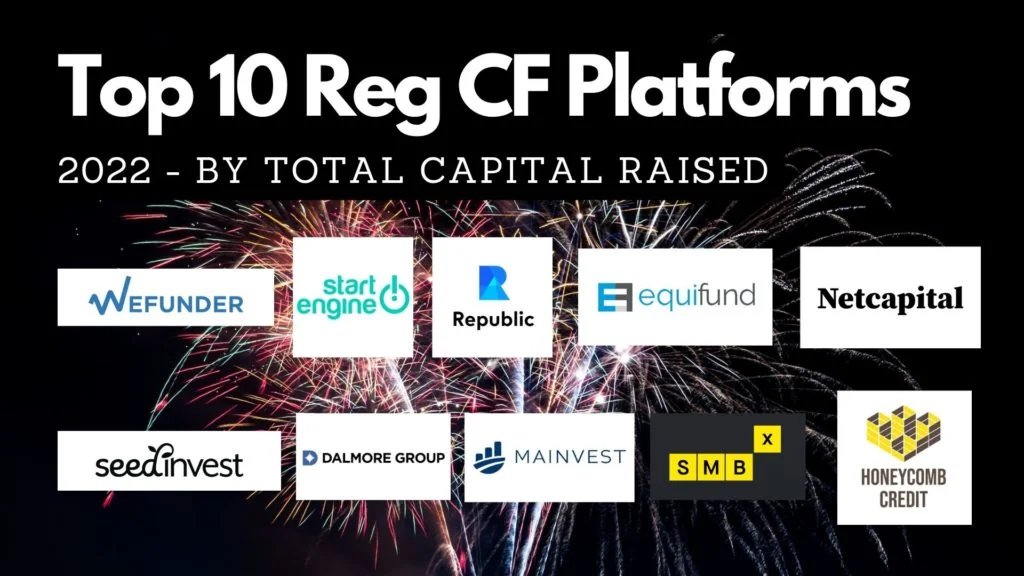
Platforms like Wefunder, StartEngine, and Republic must register with FINRA and ensure that campaigns meet federal and financial compliance standards. They are required to conduct background checks, review issuer filings, and implement anti-fraud procedures, or face regulatory liabilities.
Navigating State and Federal Securities Laws
Despite federal exemptions, businesses must still navigate state-level “blue sky” laws that govern securities offerings. Each state has different registration requirements, which can create legal hurdles for nationwide campaigns. Awareness of these overlapping jurisdictions is essential.
Preventing Securities Fraud in Crowdfunding
The SEC actively monitors equity crowdfunding for fraud risks. Startups must avoid misleading statements or exaggerated projections. Fraudulent activity intentional or negligent can result in severe penalties, SEC enforcement, and reputational damage.
Factors Affecting Crowdfunding Success
Several elements influence the success of an equity crowdfunding campaign:
- Trust and Transparency: Clear, honest communication builds investor confidence.
- Pre-Launch Audience Building: Campaigns that warm up their audience in advance perform better.
- Marketing Strategy: Leveraging email, PR, paid ads, and influencer outreach can increase visibility.
- Platform Choice: Each platform has different investor bases and fee structures.
- Timing and Global Trends: Global economic conditions, interest rates, and public sentiment about startups or risk capital can affect traction.
These factors vary between the U.S. and other regions, but the fundamentals of transparency and community engagement remain universal.
Post-Funding Legal Obligations for Founders
After raising funds, founders are obligated to update investors on business milestones, financials, and challenges. These post-campaign disclosures build ongoing trust and can influence future funding rounds. Non-compliance may breach securities laws and jeopardize the startup’s reputation.
Best Legal Practices for Equity Crowdfunding Compliance
- Hire a securities attorney before launching your campaign
- Use a registered and experienced crowdfunding platform
- Prepare transparent and complete financial disclosures
- Stay current with SEC and FINRA regulatory updates
- Document all investor communications for accountability
Conclusion
While equity crowdfunding has made raising capital more accessible, it also introduces a complex legal landscape. By understanding these challenges ranging from federal compliance and state laws to fraud prevention and post-funding obligations founders can raise capital responsibly and with greater success. Government initiatives are helping simplify the landscape, but startups must remain vigilant and proactive.