I hope you find this blog helpful as you plan your crowdfunding journey. If you’d like personalized support or expertguidance to help make your campaign a success, click here
Author: Adebayo Ogungbemile | Founder of Boostfunders
Crowdfunding is more competitive than ever. Thousands of campaigns launch each month, but only a small percentage get enough backers to reach their goal. For instance, on Kickstarter, only about 39-42%, with specific categories like Games doing very well (80%) of campaigns overall, while Tech struggles; Indiegogo, generally sees lower overall success rates (around 18-30%), though it’s popular for tech, but both platforms’ success heavily depends on pre-launch marketing, audience building, and hitting early funding goals.
If your campaign isn’t getting the traction you expected, don’t panic. It’s almost always fixable. At Boostfunders, we audit and rescue struggling campaigns for creators across Kickstarter, Indiegogo, and private crowdfunding. In this guide, we’ll break down the real reasons campaigns underperform and what you can do to turn the situation around. Whether you’re preparing to launch or already live, these strategies will help improve conversions, traffic, and momentum.
Key Takeaways
- Most crowdfunding campaigns fail because of low traffic, weak storytelling, poor visuals, unclear rewards, or lack of trust not because the product is bad.
- A successful launch requires a strong prelaunch phase, including building warm leads and a community.
- Your campaign must communicate the problem, the solution, the benefits, and the transformation clearly within the first few seconds.
- Visuals determine trust, use lifestyle photography, GIFs, demo clips, and behind-the-scenes content.
- Reward tiers need urgency, clarity, and meaningful discounts to drive early pledges.
- Trust-building elements (team, prototype footage, timeline) can dramatically increase conversions.
- You must promote consistently on Reddit, Facebook groups, TikTok, LinkedIn, and niche communities, not only with Paid ads.
- Fixing underperforming campaigns is possible, most issues are marketing-related, not product-related.
- Agencies like Boostfunders can rebuild your prelaunch funnel, improve your page, optimize ads, and rescue failing campaigns.
1. Weak Pre-Launch Preparation
Most creators underestimate this: 60–80% of your crowdfunding success is determined before you launch. Many creators believe Kickstarter or Indiegogo will “bring the traffic.” But these platforms only accelerate existing momentum
If your campaign isn’t getting backers, the real problem often starts weeks or months earlier during the pre-launch phase.
Common signs of weak pre-launch:
- You launched without building an email list
- Your landing page had low conversion rates (<20%)
- You relied on friends and family for initial traction
- You drove little or no traffic before launch
- Expecting Kickstarter/Indiegogo to send traffic automatically
How to Fix It
- Build an email list using a strong landing page with an early signup incentive
- Validate interest using ads, surveys, and communities
- Use targeted ads (Facebook, Instagram, Google).
- Leverage relevant communities (Reddit, Facebook Groups, Discords).
- Partner with micro-influencers.
- Pitch journalists or bloggers in your niche.
- Warm your audience through pre-launch email sequences
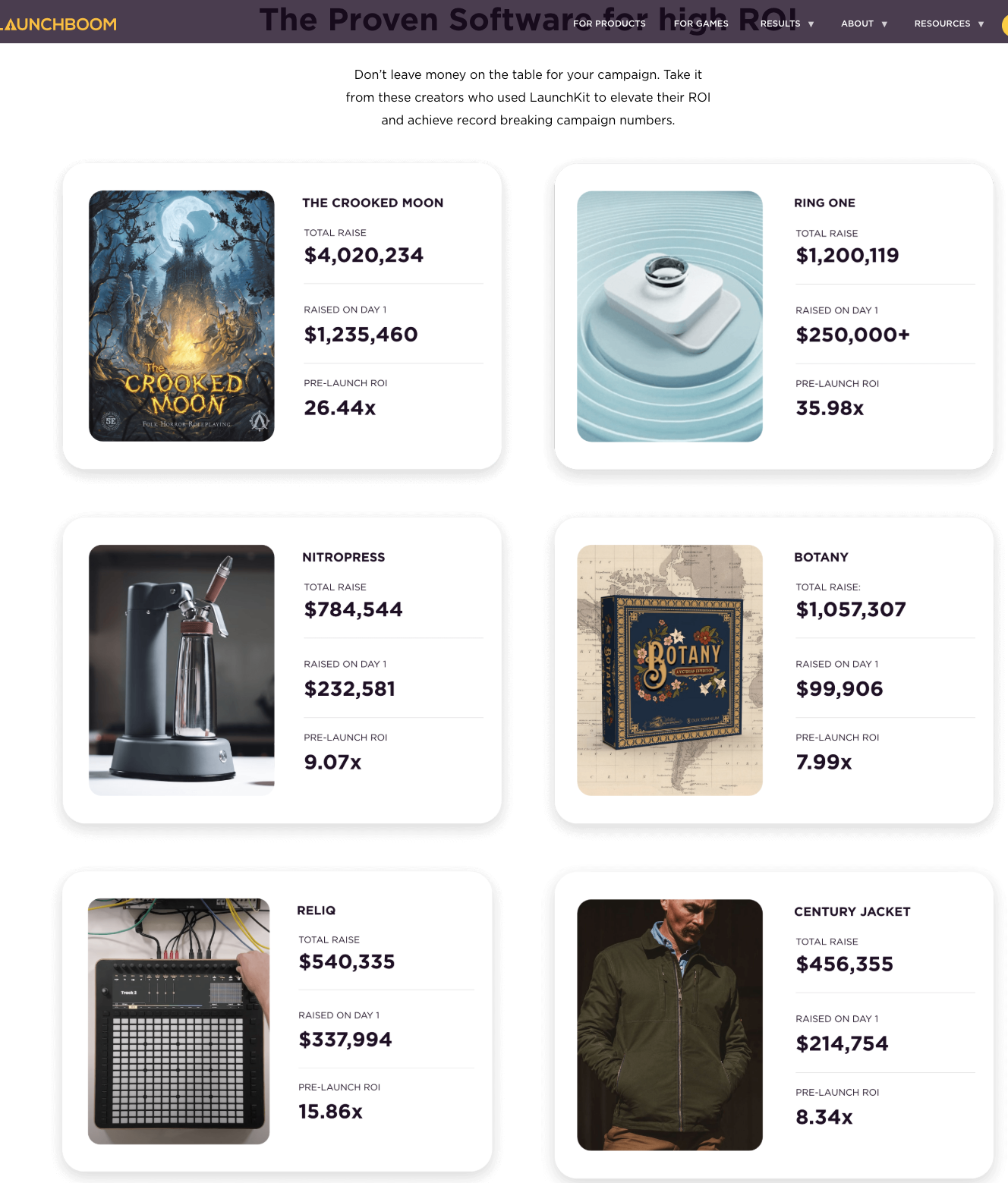
If you want a proven system for building a highly engaged audience before launch, you can use LaunchBoom’s LaunchKit landing page system, which includes their well-known Reservation Funnel. The Reservation Funnel is a strategy developed by LaunchBoom that attracts leads who are 30x more likely to become real backers.
It works by offering visitors a special perk or discount in exchange for putting down a $1 refundable deposit.
You can learn more or sign up for their Landing Page + Reservation Funnel system here:
LaunchBoom LaunchKit
2.Campaign Page or Landing Page Not Converting
You may actually be getting visitors but not turning them into backers.
Common page mistakes:
- Weak headline and unclear offer
- Poor visuals or no prototype
- Long paragraphs with no structure
- Confusing reward tiers
- No social proof
How to Fix It
- Start with a clear value proposition.
- Use benefit-driven headlines.
- Add lifestyle photos and product demonstration images.
- Put the most important information above the fold.
- Run A/B tests on headlines and layouts.
3. Unclear Value Proposition
If people can’t answer “What does this do, and why should I care?” within 5 seconds, they won’t back you.
Ask yourself:
- What problem does my product solve?
- Why is it better than alternatives?
- Why should someone back this now, not later?
How to Fix It
- Focus on benefits before features.
- Create a clear “Why It Matters” section.
- Use comparison visuals (Before/After, With/Without).
4. Weak Videos or Visual Content
Your video is the trust builder. A weak video = low conversions.
Common mistakes:
- Too long
- No problem statement
- No demo footage
- No founder story
- No call-to-action
How to Fix It
- Keep the video between 60–120 seconds.
Show the product close-up and in real use.
- Add voice-over for clarity.
- Include customer reactions or small testimonials.
5. Lack of Social Proof & Credibility
People don’t back ideas..
They back trustworthy creators.
When visitors arrive on your crowdfunding page, they instantly look for signals that show you’re real, reliable, and capable of delivering the product. Without those signals, even a great idea will struggle to convert.
Examples of credibility boosters:
- Press features
- Early user reviews
- Prototype demonstrations
- Certifications or awards
- A clear team section with photos
- Public presence (LinkedIn, website, social media)
If these elements are missing, backers hesitate, not because they dislike the product, but because they aren’t confident the creator can deliver.
How to Fix It
- Offer prototypes to real reviewers and early adopters
- Collect written or video testimonials from testers
- Showcase photos of your team, workspace, and development stages
- Add third-party validation (press, influencers, experts)
Example From One of Our Campaigns: Beyond Backpack
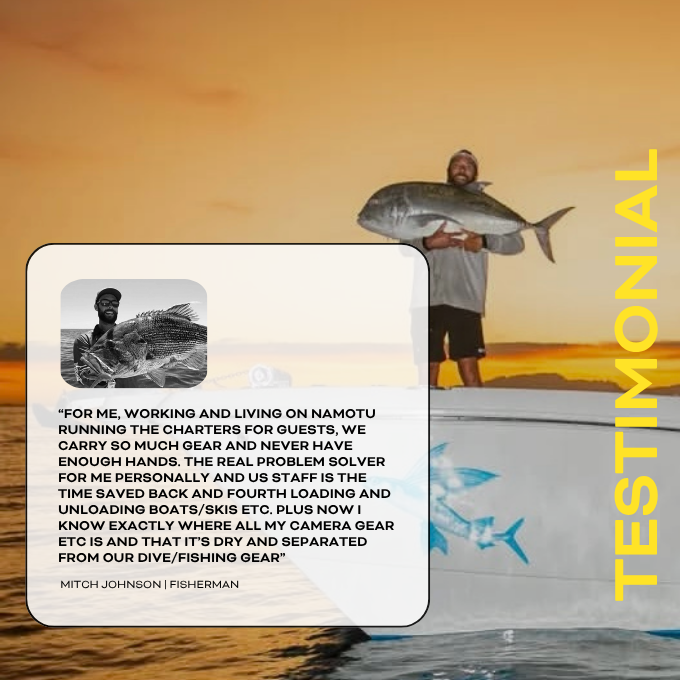
A strong example of how social proof can transform a campaign is the “Beyond Backpack: The World’s Best Adventure Bag” by Mazorca, a project we helped promote.
The creators showcased:
- Real early adopters testing the backpack in outdoor and water-sport environments
- Prototype usage photos showing the wet/dry modular system in action
- Testimonials from adventure enthusiasts and early product testers
- Lifestyle shots demonstrating durability, functionality, and real-world performance
These credibility signals helped establish trust and differentiation, showing backers that the product was not just a concept, it was already functional and validated by real users.
https://www.youtube.com/watch?v=56786d3uj9I
6. Poor Reward Structure or Pricing
Bad pricing can kill your conversions instantly.
Common pricing issues:
- Rewards too expensive
- No meaningful early-bird discount
- Too many reward options
- Limited quantity rewards not actually limited
- No “good, better, best” tier structure
- Shipping fees are unclear or too high
How to Fix It
- Use psychological anchor pricing (e.g., “Save $50 today”).
- Offer a strong early-bird (20–35% off).
- Simplify reward tiers to 3–6 options.
- Kickstarter price: 15% off
- Clear shipping estimate section
7. Weak Social Media or Community Engagement
Many creators post only once in a while but community momentum is critical.
Signs of poor engagement:
- No comments
- No shares
- No community excitement
- No countdown posts
- No behind-the-scenes updates
How to Fix It
- Post consistently on Reddit, Linkedin, Youtube shorts, Facebook niche groups, Pinterest (daily or every 2 days).
- Join subreddits relevant to your niche.
- Share prototype videos and updates.
- Run live Q&A sessions.
8. No Retargeting or Follow-Up Strategy
Most visitors will not come back on their first visit.
If you don’t retarget them, you’re losing 50–70% of potential backers.
Fixes:
- Retarget visitors with Facebook Pixel or Google Ads.
- Send email sequences to your pre-launch list.
- Follow up with anyone who clicked but didn’t pledge.
Boostfunders helps creators set up end-to-end retargeting systems designed specifically for crowdfunding.
9. You Launched Too Early
Many creators launch before they’re ready.
Launching too soon leads to:
- Low conversions
- No momentum
- Weak Day 1 traffic
- Higher ad costs
Fix
Before launch, make sure you have:
- A working landing page
- 1,000+ warm leads
- Polished visuals
- A short video
- A simple email drip sequence
- A prelaunch community (FB group, Discord, Reddit)
10. Unrealistic Goals or Misaligned Expectations
Your funding goal affects whether people back you.
If your goal is too high, backers may hesitate, fearing you won’t reach it.
How to Fix It
- Use a lower goal to build momentum.
- Plan stretch goals for later.
- Study similar successful campaigns before deciding numbers.
How to Diagnose Your Campaign Quickly
Use this quick audit checklist:
- Traffic Check – Are you getting at least 1,000 visitors/week?
- Conversion Check – Is your page converting above 3–5%?
- Value Check – Can backers understand your offer in 5 seconds?
- Trust Check – Do you have reviews, press, or prototype proof?
- Reward Check – Are your prices competitive and compelling?
If 2 or more of these are failing, your campaign needs adjustments.
When It’s Better to Relaunch Instead of Fixing
Sometimes fixing on the fly won’t be enough.
You should consider relaunching if:
- Your early momentum is gone
- Your conversion rate is below 1%
- You have no email list
- You didn’t run ads or build prelaunch traffic
- The campaign feels “stuck”
Relaunching with a proper prelaunch strategy often results in 2×–5× better performance.
Final Thoughts And How Boostfunders Can Help
A campaign that isn’t getting enough backers isn’t a failure, it’s a signal.
Most issues can be fixed with the right strategy, proper pre-launch structure, and targeted traffic.
If you’d like expert help improving your campaign or planning a high-performing relaunch, Boostfunders provides full crowdfunding management, including:
- Pre-launch landing pages
- Paid ads setup & management
- Campaign page design
- Conversion optimization
- PR & influencer outreach
- Ongoing analytics and reporting