I hope you find this blog helpful as you plan your crowdfunding journey. If you’d like personalized support or expertguidance to help make your campaign a success, click here
Author: Adebayo Ogungbemile | Founder of Boostfunders
GoFundMe is one of the most popular crowdfunding platforms for personal causes, nonprofits, and community projects. While paid promotion can help, many campaigns succeed entirely using organic strategies.
This guide covers practical, free ways to maximize visibility and drive donations.
KEY TAKEAWAYS
- Promoting a GoFundMe campaign doesn’t require paid ads; leveraging organic channels and community engagement can generate significant donations.
- Building a strong story and emotional connection is critical to encourage sharing and engagement.
- Harnessing social media, email outreach, influencers, and niche communities effectively replaces ad spend while reaching highly targeted donors.
- Tracking engagement and testing different content formats ensures your campaign remains visible and compelling.
- Consistency, transparency, and frequent updates strengthen credibility and encourage repeat donations.
1. Craft a Compelling Story That Connects
People don’t donate to campaigns, they donate to stories.
A strong GoFundMe campaign succeeds not because of how much money is needed, but because of how clearly and honestly the story is told.
According to GoFundMe’s own fundraising guidance, campaigns with clear, emotional storytelling consistently attract more donations and shares. Your story is what turns a visitor into a supporter and a supporter into an advocate.
When writing your GoFundMe story, it should clearly and naturally answer the following questions:
- Who is this fundraiser for?
- Why does this situation matter right now?
- How will the funds be used specifically?
- What impact will reaching the goal actually make?
A well-structured story builds trust, creates empathy, and removes doubt. Three key factors that influence whether someone donates or not. GoFundMe provides helpful resources here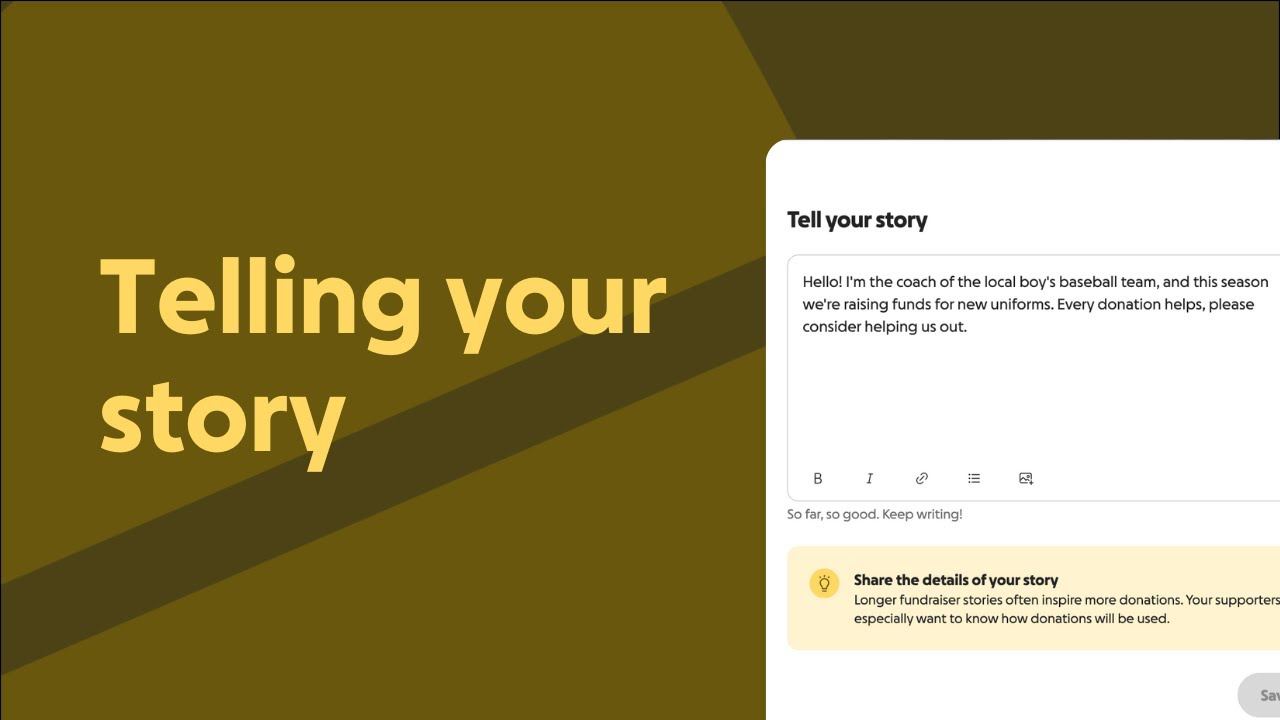
To craft your own compelling story, consider the following steps:
- Get Inspiration from Great Storytellers
Look at successful GoFundMe campaigns for inspiration. See how these stories create understanding and empathy. What elements of their storytelling can you incorporate into your own?
- Start with a Personal Introduction
Introduce yourself and the key people involved in your story. Be honest and direct about why this fundraiser matters and what motivated you to start it.
- Define the Essential Pieces of Your Story
Ensure your story answers the basic questions: who, what, where, when, why, and how. Include details about how the funds will make a difference.
- Share Any Challenges You Have Faced
If you’ve tried other solutions, mention them. Explain how these challenges have affected you or your community, showing the emotional impact of the situation.
- Form a Connection with Potential Donors
Be vulnerable. Donors connect with people who show authenticity and courage. Share your emotions, struggles, and hopes for the future.
- Review the Flow and Tone of Your Story
Ensure your story is easy to follow and maintains a consistent, empathetic tone. Break up the text with subheadings and bullet points to keep readers engaged.
- Read Your Story from a Potential Donor’s Point of View
Before publishing, step back and assess how your story might resonate with potential donors. Are you clearly communicating the urgency of your situation?
- Get Others to Proofread Your Story
Ask friends or family for feedback. Is your story easy to understand? Does it inspire others to support your cause?
- Give Your Fundraiser a Title That’s Easy to Remember
Create a title that clearly reflects the essence of your story and includes a call to action. A memorable title can make all the difference in drawing attention.
- Post Frequent Fundraising Updates
Keep your donors in the loop with regular updates. Share your progress, challenges, and milestones to keep the story evolving and donors engaged.
- Add Compelling Photos and Videos
Visual content brings your story to life. Include pictures or videos that showcase your cause, making the experience more personal and tangible for donors
How to Write a GoFundMe Story that Inspires Donations | GoFundMe
2. Leverage Social Media Organically
Social media is your strongest free distribution tool, if used strategically.
Rather than focusing solely on asking for donations, leverage your social media presence to tell your story, build empathy, and engage with your community. Share posts that provide updates, express gratitude, and show how donations are making an impact. Remember, it’s about building relationships, not just raising money.
Focus on Storytelling Posts, Not Constant Donation Requests
The key to social media success lies in authentic engagement. Instead of bombarding your followers with donation requests, craft posts that tell the story behind your cause. Let people connect with your journey and understand the reason for your fundraiser. When your audience feels emotionally connected, they’ll be more likely to share your cause and support it in other ways.
Here are some platform-specific strategies to amplify your message:
- Facebook (personal profiles & groups): Share heartfelt stories and milestones, and encourage sharing within your personal network and relevant groups.
- Instagram (Stories, Reels): Use these visual formats to showcase updates and behind-the-scenes glimpses of your journey.
- X (Twitter threads): A series of tweets can help break down your story in digestible parts, creating a sense of connection with your followers.
- LinkedIn: This platform is great for professional and cause-driven connections. Share your campaign and progress in a way that appeals to a more professional network.
Sample Facebook Post
This isn’t easy to share, but it’s important. We’ve started a GoFundMe to help us through one of the hardest moments of our lives. Even if you can’t donate, sharing means more than you know. 
Building a loyal, engaged audience is critical to the success of your campaign. To learn more about creating a community that actively supports your crowdfunding efforts, check out our detailed guide on how to build a community that supports your crowdfunding campaign: Building a Loyal Audience for Your Campaign.
3. Tap Into Your Personal Network and Email List
When it comes to crowdfunding, your first supporters will likely come from the people who already know and trust you. These are your family, friends, colleagues, and acquaintances, your personal network. Reaching out to them directly through email or private messages feels more personal and intimate than posting publicly on social media, and it often leads to higher conversion rates.
Email: The Power of Direct Communication
Email is a direct line to your supporters, and it’s an effective tool to engage people who may not be as active on social media or might not see your public posts. Whether it’s a one-on-one email or a group message, a personalized appeal can create a stronger connection and increase the likelihood of donations or shares.
While public posts can be widely seen, they don’t always feel personal. An email message, on the other hand, is more direct and tailored, and it helps to remind people of the connection you share, which can lead to more generous support. Make sure your message is warm, genuine, and shows gratitude for their time and consideration. You may also want to include a direct link to your GoFundMe page for easy access.
Here are a few ways you can reach out via different communication channels:
- Gmail / Outlook: Direct email campaigns to your personal or work email contacts. Segment them based on your relationship (e.g., family, colleagues, friends) for more tailored messages.
- WhatsApp Broadcast: For those who you’re in close contact with, a WhatsApp broadcast allows you to send personal updates and requests directly to multiple people, without creating a group chat. This makes the message feel more individual and respectful of privacy.
- Telegram Channels: If you have a group on Telegram (perhaps a community group), use it to share updates and make your fundraising requests. Keep it personal and avoid spamming.
4. Collaborate With Influencers and Micro-Influencers
When it comes to spreading the word about your GoFundMe, you don’t need to aim for celebrity endorsements. What you truly need is relevance and trust. That’s where micro-influencers come in. These individuals typically have 1k to 50k followers and, despite having a smaller audience, often enjoy a deeper, more personal relationship with their community. This trust can result in higher engagement and more meaningful support for your campaign.
Why Micro-Influencers?
Micro-influencers tend to have niche audiences that are highly engaged and loyal. Because they interact more closely with their followers, their endorsements or content about your GoFundMe campaign feel more authentic. Followers of micro-influencers are more likely to act on their recommendations, especially when they relate to personal causes.
To maximize your reach, collaborate with influencers on platforms where they have the most influence:
- Instagram: Influencers often use stories, posts, and reels to share about causes they care about. You can ask them to post about your GoFundMe or share updates about your campaign with their followers.
- TikTok: TikTok influencers create viral content quickly. A short, engaging video about your campaign can be easily shared, boosting your visibility.
- YouTube Shorts: YouTube Shorts is another great platform for influencer collaborations. A quick, heartfelt video about your GoFundMe can be shared across the platform’s huge audience.
How to Approach Influencers
Reaching out to an influencer or micro-influencer should feel personal and respectful of their time. Be clear about why you think their audience would connect with your cause, and how they can help. Don’t just ask for a shoutout offer something in return, whether it’s a mention, a thank-you note, or a follow-up update on how their audience’s support helped.
Best Practices for Working with Influencers
- Be Transparent: Influencers value transparency. Share the details of your campaign, including how the funds will be used and any updates on its progress.
- Provide Clear Call to Action: Be clear on how they can help whether it’s sharing a link, creating a post, or encouraging their followers to donate.
Highlight Shared Values: Choose influencers who align with the cause or values behind your fundraiser. Their audience will trust their recommendations more if they see the relevance.
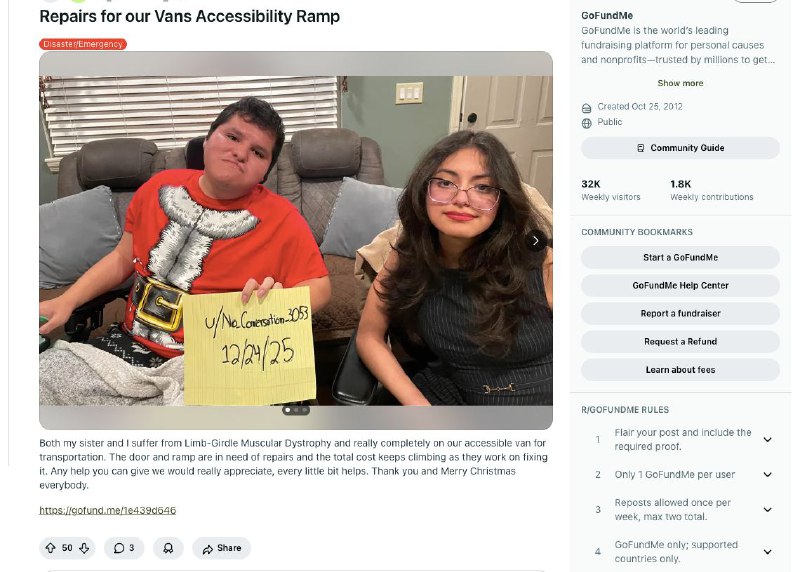
5. Engage in Online Communities and Forums (Reddit Focus)
Forums drive long-term organic traffic and trust-based donations.
Why Reddit Works
- Reddit threads rank on Google
- High engagement & discussion-based
- Communities are interest-focused
Google often indexes Reddit posts on page one for:
- Medical help
- Personal fundraising
- Emergency support topics
Example
Reddit (r/gofundme, r/assistance, r/charity)
6. Use Local Press, Blogs, and Community Boards
Local media outlets and community platforms are great ways to spread the word about your GoFundMe campaign. Local journalists and bloggers often seek real, human stories that resonate with their audiences. Sharing your fundraiser with these outlets can help you reach people who are invested in supporting local causes.
Examples:
- Local newspapers: Pitch your story to local papers for coverage or feature articles.
- Community blogs: Many towns have blogs or websites that spotlight local events and stories to reach out to have your campaign highlighted.
- Church or school bulletin boards: Physical bulletin boards are a great way to reach people who might not be on social media but want to support local causes.
- Facebook neighborhood groups: Join neighborhood or local interest groups to share your fundraiser with people in your area.
By tapping into these community-driven platforms, you can garner support from those closest to your cause.
7. Encourage Sharing and Peer-to-Peer Promotion
Every donor is a potential ambassador.
How to Encourage Sharing
- Thank donors publicly
- Ask them to share why they donated
- Provide pre-written captions
Sample Share Caption
“I donated because this cause matters. If you can help or share, please do.”
8. Monitor Progress and Adjust Strategy
As your GoFundMe campaign progresses, it’s crucial to track what’s working and refine your strategy as needed. This data-driven approach ensures that your efforts stay on track and help you optimize the ways you’re reaching potential donors.
Tools to Track and Adjust Your Campaign Strategy
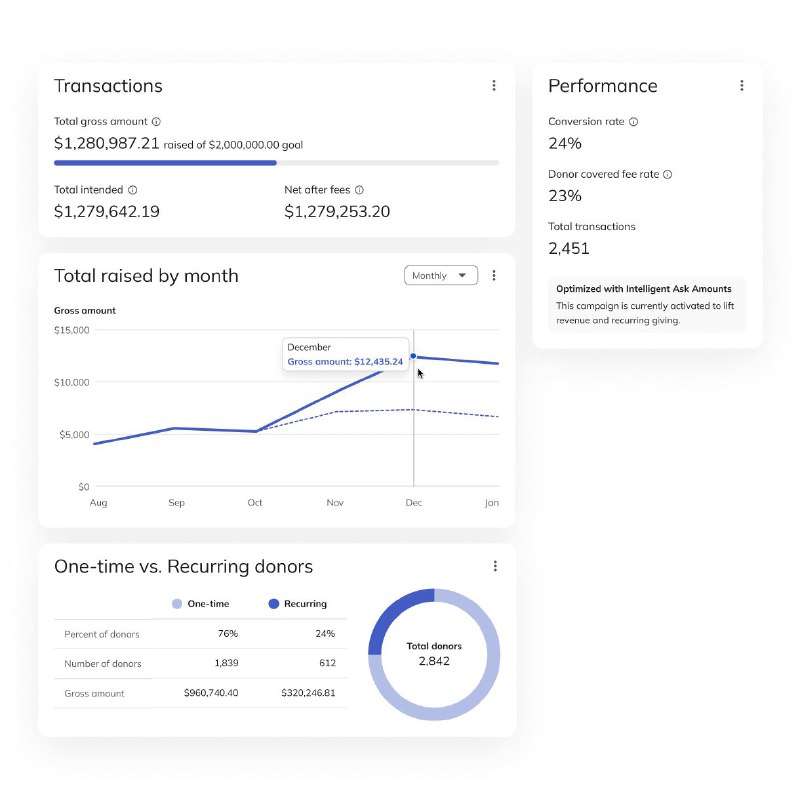
- GoFundMe Insights: GoFundMe provides built-in analytics to help you monitor donations, track your progress, and understand donor behavior. The platform offers detailed reports on donor engagement, the effectiveness of your updates, and geographic information about your supporters. By regularly reviewing GoFundMe Insights, you can identify patterns, assess what’s resonating with donors, and adjust your messaging or outreach accordingly. Learn more about GoFundMe Insights here.
- Google Analytics: If you’ve linked your GoFundMe page to a personal website or blog, Google Analytics is a powerful tool to track website traffic. You can see how visitors interact with your page, how they found it, and what actions they took. This allows you to measure the effectiveness of external campaigns, like blog posts or social media links, and determine where to focus your marketing efforts.
- Social Media Engagement Metrics: Keep a close eye on the engagement metrics of your social media posts (likes, shares, comments, and clicks). These can tell you which posts are driving the most traffic to your GoFundMe page, and which platforms or types of content resonate best with your audience. Use this data to prioritize platforms and strategies that yield the best results.
Conclusion
Promoting your GoFundMe without ads is about connection, consistency, and community. When people feel emotionally invested, they don’t just donate, they share.
At Boostfunders, we’ve seen organic strategies outperform paid ads when campaigns focus on storytelling and trust. If you invest time into the strategies above, your campaign can grow sustainably without ad spend.