
 I hope you find this blog helpful as you plan your crowdfunding journey. If you’d like personalized support or expertguidance to help make your campaign a success, click here
Author: Adebayo Ogungbemile | Founder of Boostfunders
Building a successful crowdfunding campaign is about more than having a great product or idea. it’s about having people who genuinely care enough to support it. Crowdfunding, at its core, is the process of raising funds for a business idea, creative project, or cause through a large number of individuals via online platforms. Without a committed audience behind you, even the best campaigns struggle to gain traction.
This is why community building plays such a critical role in crowdfunding success. A strong, engaged community gives your campaign early momentum, social proof, and visibility, three factors that significantly influence how platforms like Kickstarter and Indiegogo surface and rank campaigns.
In this guide, you’ll learn how to build a community that doesn’t just follow your campaign, but actively supports it from prelaunch to completion.
KEY TAKEAWAYS
-
Community is the real growth engine of crowdfunding.
Campaigns don’t succeed because platforms promote them. Platforms promote them because communities activate early and consistently. -
Email lists convert better than any social platform.
While social media builds awareness, email marketing drives action, especially during pre-launch and the first 72 hours. -
Engaged supporters matter more than follower count.
A smaller, active community that comments, shares, and participates will outperform a large but passive audience. -
Pre-launch preparation determines launch-day results.
Campaigns that build communities, email lists, and followers before launch consistently rank higher and fund faster. -
Consistency builds trust and long-term advocates.
Showing progress, sharing updates, and involving supporters early turns backers into loyal brand advocates.
Why Community Building is Crucial for Crowdfunding campaign Success
As we all know that crowdfunding is the method of raising money for a business idea, creative project, or cause through a large number of people via online platforms. Raising money online will never be possible without the people who will support your dreams or ideas to make it come into reality. That is why this blog focuses on how you can build a community of people that will help you make your crowdfunding campaign successful.
As an individual or organization that wants to raise funds via any crowdfunding platform, it is necessary to understand that building a community before launching a crowdfunding campaign is very important. A dedicated community is the foundation that supports your crowdfunding goals and gives you the momentum to hit your target. Crowdfunding platforms like Kickstarter and Indiegogo use algorithms that favor campaigns that show strong early support, so having a community ready to back you from day one is key.
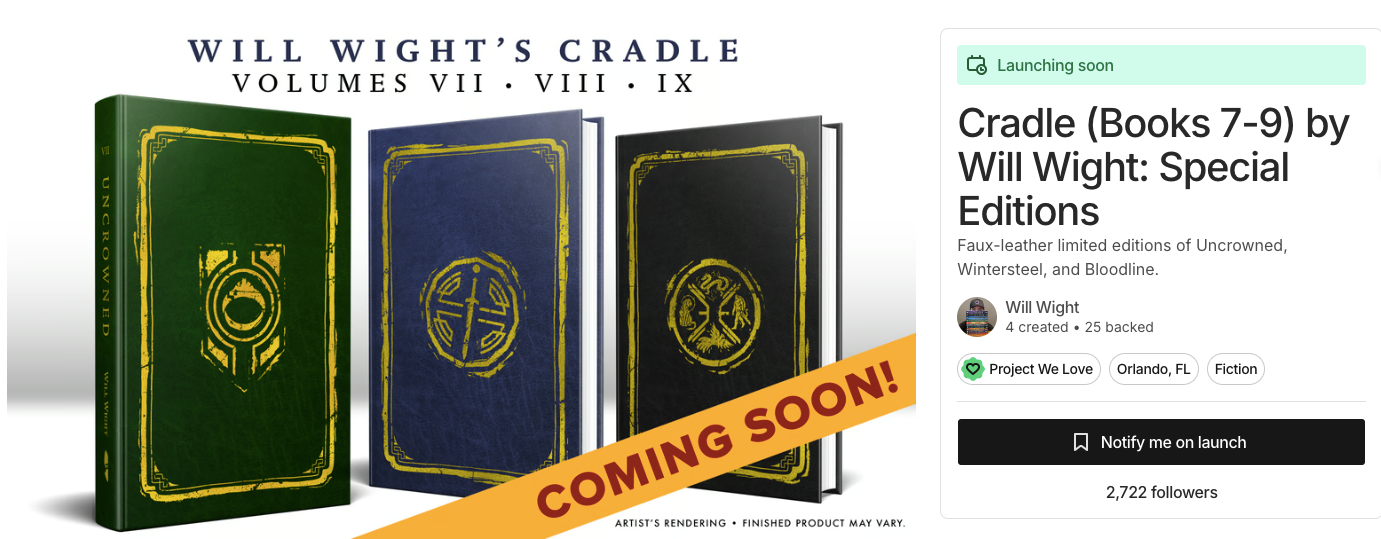
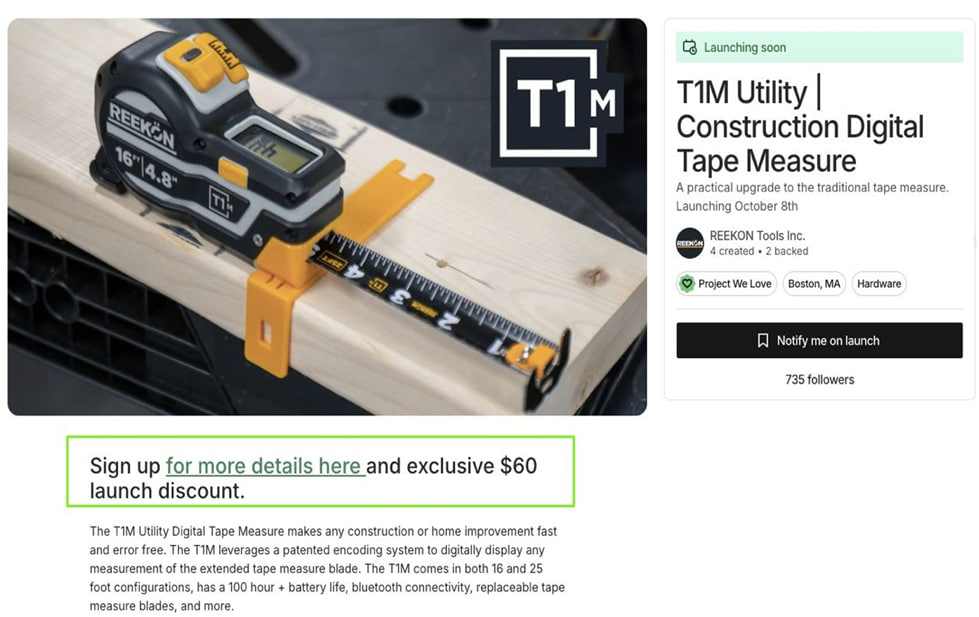
Like the campaign above with 2,722 followers, this clearly shows that the campaign has developed a community base that enables the audience to support the project at an early stage, which will also lead to massive success when the campaign is launched.
Community members don’t just pledge, they comment, share updates, invite friends, and validate your idea publicly. This kind of engagement builds trust with new visitors who are discovering your campaign for the first time.
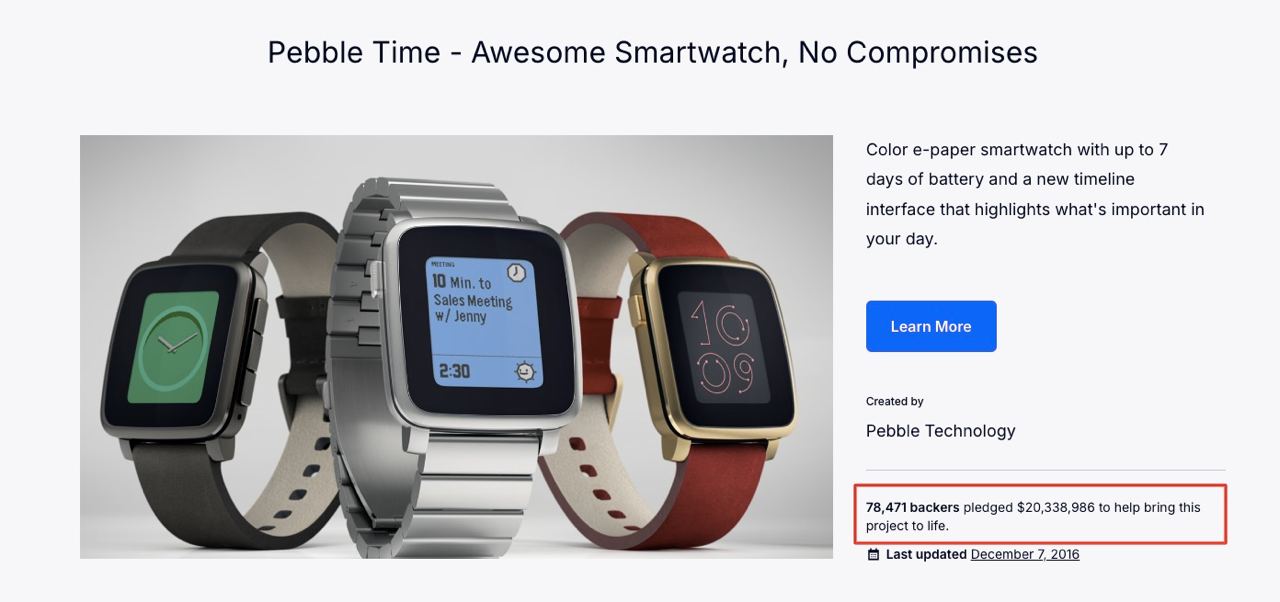
Example: One of the most famous crowdfunding successes, Pebble (a smartwatch company), raised over $10 million on Kickstarter, surpassing its initial goal by a huge margin. The secret to their success was that they built a strong community of early adopters long before launching. Through social media engagement, email newsletters, and active participation in relevant online forums, they created a buzz that exploded once their campaign went live.
1. Identify and Understand Your Target Audience
Identifying and understanding your targeted audience is crucial for crafting messages that resonate and creating a space where your potential backers feel connected.
Before you start building a community, you need to answer a few critical questions: Who are your ideal backers? Where do they spend time online? What problems are they trying to solve? When you understand these elements, your communication becomes more personal, relevant, and engaging.
Understanding your audience allows you to tailor your messaging, choose the right platforms, and build relationships that feel authentic rather than promotional.
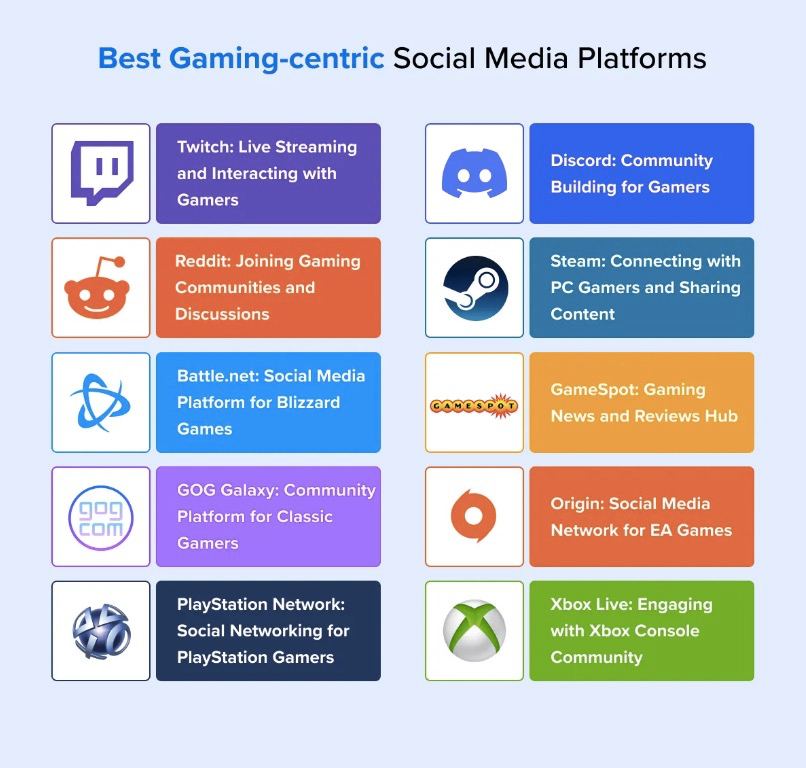
Example: For a tabletop game project, your target audience might include gamers and board game enthusiasts who are active on social platforms like YouTube, Discord, Reddit, and Twitch. They follow gaming influencers on YouTube and Twitch, engage in discussions on game design forums, and attend online or in-person events like gaming conventions.
To build a community, you can engage with these communities by sharing your journey and seeking feedback on the game’s development. Research shows that YouTube happens to be the leading platform for gaming content while 56% of YouTube gamers use the platform to connect with other gaming communities.
Tools to Help You Understand Your Audience:
- Google Analytics: Helps you understand the demographics and behaviors of visitors on your website.
- Facebook Audience Insights: Provides detailed insights into your target audience’s interests and behaviors.
- Surveys or Polls: Tools like SurveyMonkey or Google Forms allow you to directly ask potential backers what they want in a project.
2. Leverage Social Media Platforms
Social media remains the most powerful tool for connecting with your potential audience. Before launching your crowdfunding campaign on any crowdfunding platform, it’s essential to identify
The platform where your audience is most active and likely to engage. Keep in mind that not all social media platforms can be used for promoting your crowdfunding campaign, you can use the strategies outlined in the second section of this blog to understand who your audience is and which platform is the most effective for reaching them.
The goal of social media at this stage isn’t to sell, it’s to connect, involve, and build anticipation.
Using Social Platforms Strategically
Different types of projects perform better on different platforms. Visual and creative projects often thrive on Instagram, TikTok, and YouTube, while professional, tech, or B2B-focused campaigns may see stronger engagement on LinkedIn, X (formerly Twitter), or Reddit.
Consistency matters just as much as platform choice. Sharing behind-the-scenes content, development updates, sneak peeks, and asking for feedback helps your audience feel involved in the journey rather than just observing from the outside.
For example:
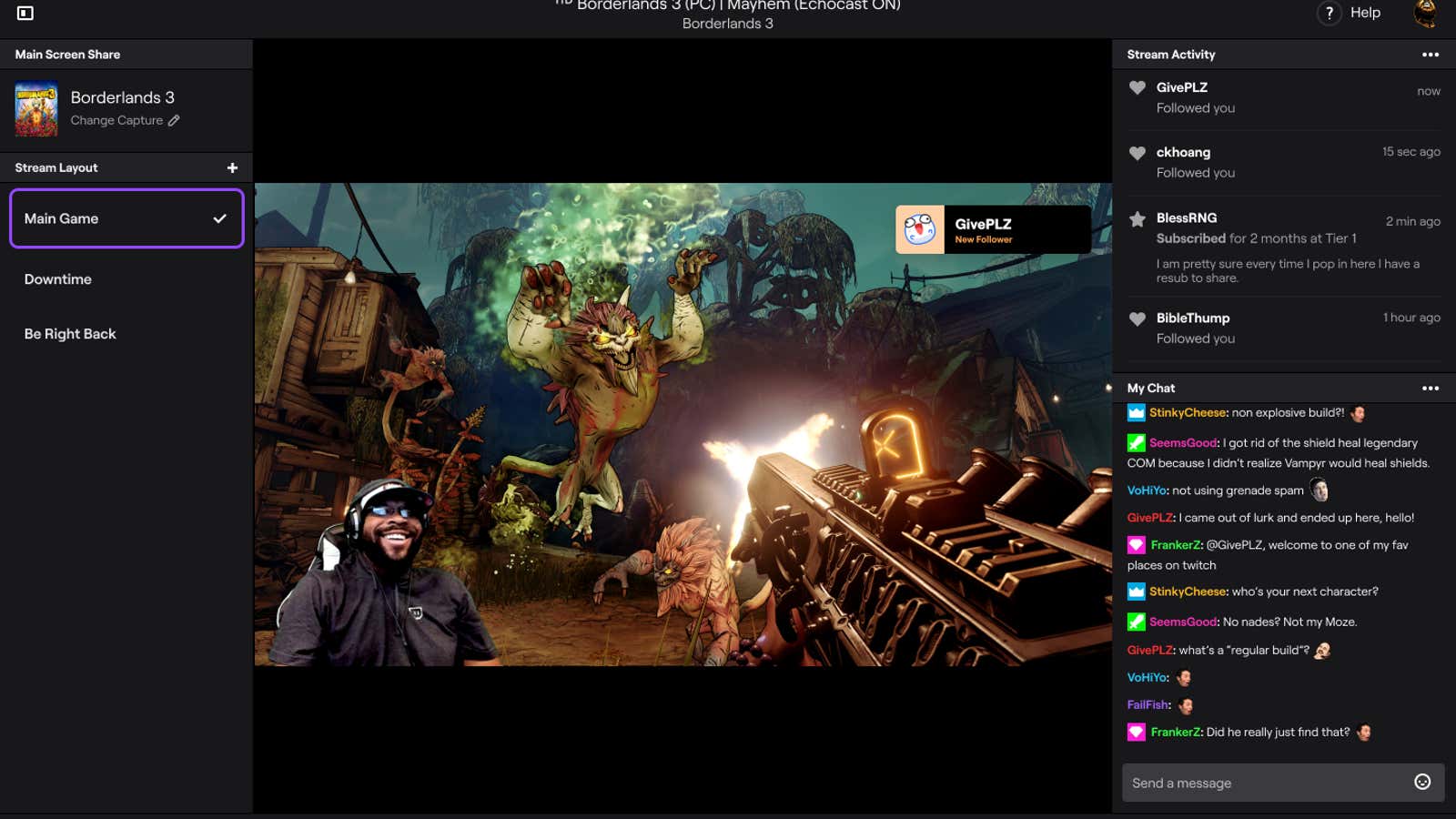
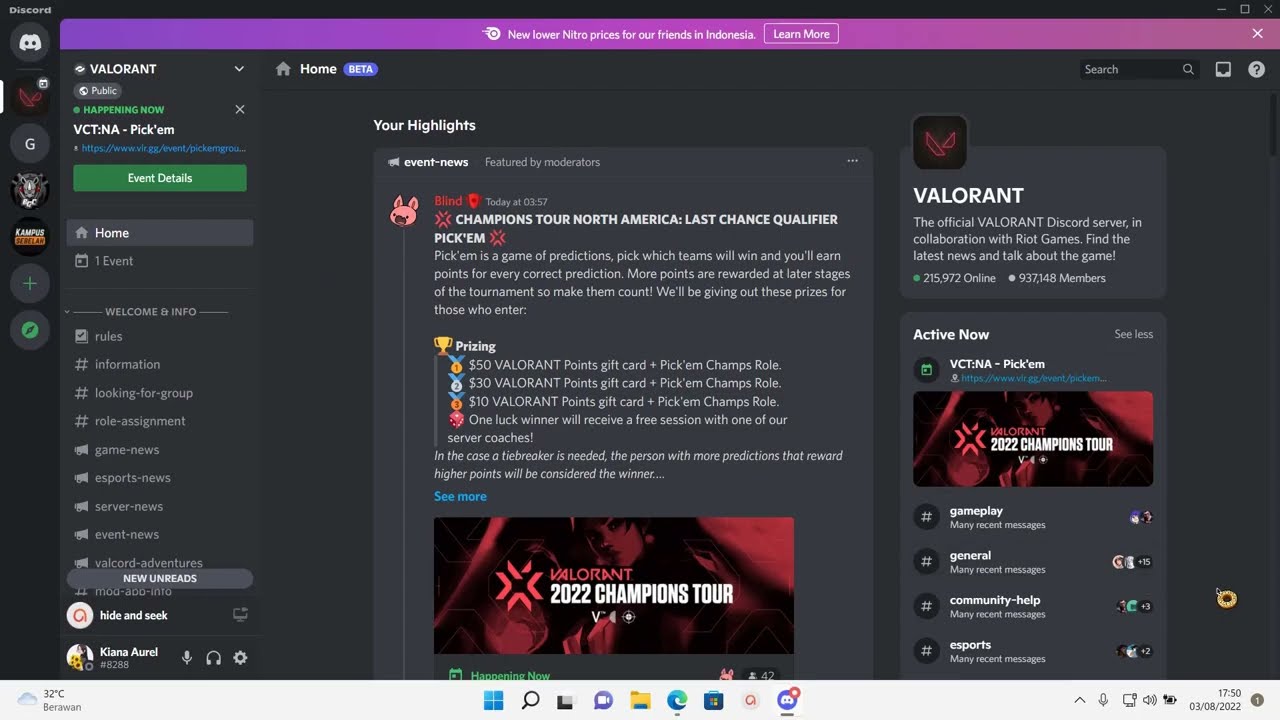
A game developer looking to build a community around their upcoming game can leverage platforms like Discord, YouTube, slack, and Twitch effectively. Discord allows them to create a space for gamers to interact, discuss game development, share ideas, and participate in community events. On Twitch, the developer can host live streams, showcase game progress, hold Q&A sessions, or even play early versions of the game to gather feedback.
For instance, an indie game developer might set up a Discord server where fans and followers can join, chat about the game, suggest features, and engage with the development team. They could host regular “developer diaries” where they share updates on game artwork or storylines. On Twitch, the same developer might stream weekly gameplay sessions or live development streams, where viewers can watch coding, animation, or sound design happen in real-time.
These sessions give the audience a behind-the-scenes look at the development process and help build excitement for the upcoming game. By using Discord for community-building and Twitch for real-time engagement, the developer can create a loyal fan base eager to support the project once the crowdfunding campaign goes live.
Example: A tech gadget startup could use Instagram to share behind-the-scenes images of the design process, and Twitter to engage in real-time conversations with early adopters.
Helpful Social Media Tools
-
Buffer or Hootsuite – Schedule and manage posts across multiple social media platforms.
-
Canva – A free design tool that allows you to create professional-looking social media graphics and videos without advanced design skills.
Canva: free-to-use online graphic design tool to create eye-catching social media graphics and videos without needing advanced design skills.
3. Start Building an Email List Early
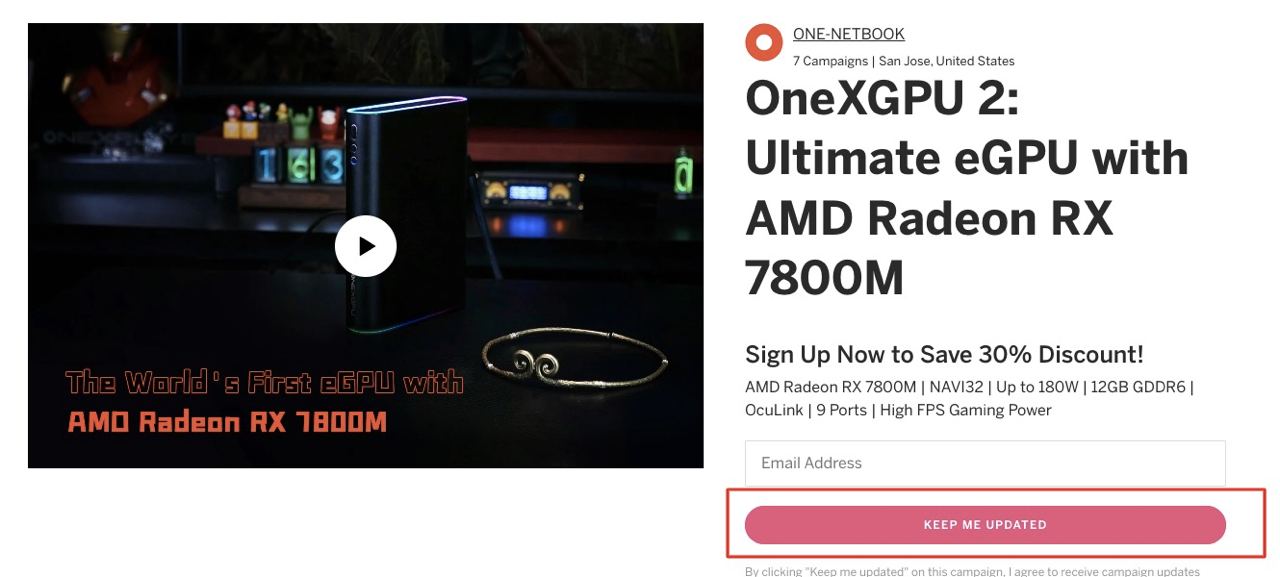
Email marketing remains the best marketing strategy we have because it enables marketers or even individuals to send messages to a large number of people using their email address which lands directly inside the recipient’s inbox. This direct connection and personalized approach often result in better engagement and conversion rates compared to other marketing strategies like social media.
To start building your email list early, you can do that in two (2) ways,
- Create a signup form on your website: Start by adding a signup form to your project’s website, encouraging visitors to join your mailing list to stay updated on the project. Highlight the benefits of signing up, such as exclusive perks, early access to updates, and the opportunity to be among the first to support the campaign when it launches. This not only builds anticipation but also creates a dedicated base of early supporters. You can read more about email marketing here
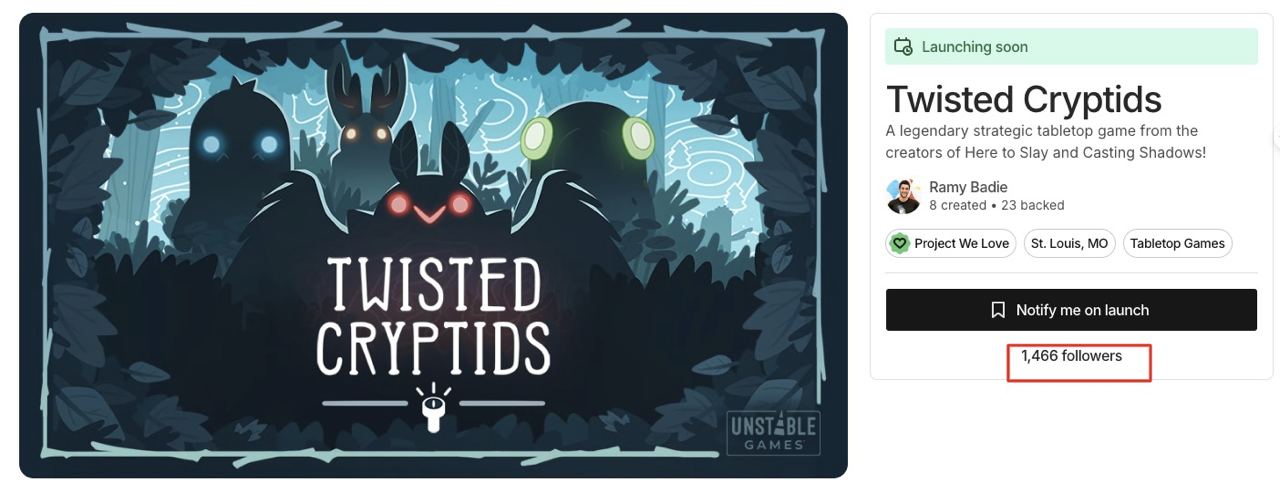
2. Create a Pre-launch campaign: You can launch a pre-launch campaign on any crowdfunding platform such as Kickstarter or Indiegogo. Launching a pre-launch campaign will enable you to share the vital information necessary to start building hype for your campaign and present a direct call to action for potential backers to be notified when your project has launched. Running a pre-launch campaign plays a crucial role in determining crowdfunding campaign success.
A creator who runs a pre-launch campaign and generates 10K email lists will have more chances of achieving his fundraising goal than someone who did not run a pre-launch campaign at all. You can read more about Kickstarter pre-launch campaigns here like Indieogo pre-launch campaign. Likewise, if you need an expert to guide you through the process of setting up and managing the campaign, you can hire my crowdfunding agency company called Boostfunders
Useful Email Marketing Tools
- Mailchimp or ConvertKit: Email sender software for collecting email addresses and sending automated newsletters.
- LeadPages: Create pre-launch landing pages to capture email leads.
4. Develop a Crowdfunding Pre-Launch Page
Crowdfunding pre-launch campaigns are a powerful tool in the preparatory stage, allowing creators or campaigners to share their vision, tease their project, and, most importantly, gather followers before the campaign officially starts.
Platforms like Kickstarter and Indiegogo offer built-in pre-launch pages where users can follow your project and receive instant notifications once it launches. This early engagement helps you gauge interest and ensures you have supporters ready on day one.
To maximize the effectiveness of your pre-launch page:
-
Promote it consistently across social media, your website, and email newsletters.
-
Create urgency by offering early-bird perks or exclusive rewards for early followers.
-
Use clear messaging that explains what makes your project worth supporting.
Example: Before launching their campaign for a new tech gadget, a startup could create a pre-launch page and offer early access to the product for those who follow the campaign before it goes live.
5. Collaborate with Influencers and Micro-Influencers
Collaborating with micro-influencers on different social media platforms like Instagram, TikTok, or LinkedIn can significantly boost exposure for your crowdfunding campaign. It’s essential to carefully select influencers whose content aligns with your niche and targeted audience. The right micro-influencer can help you tap into a highly engaged community that is more likely to support your crowdfunding project.
Before deciding who to partner with, firstly look for influencers who have consistently created engaging content in your niche, as their followers are likely to be interested in your campaign.
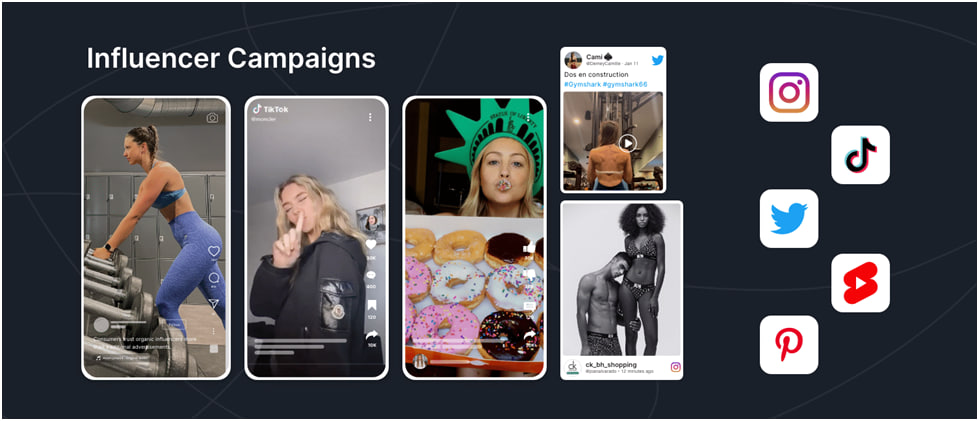
Here are some effective ways to collaborate with micro and macro-influencers across different social media platforms:
- Sponsored Media Content: This involves having influencers create posts, videos, or stories that highlight your campaign. This method works well as it provides authentic exposure to their audience. For example, if you’re launching a new eco-friendly product, partnering with a sustainability-focused influencer to promote it on Instagram or TikTok can drive attention and potential backers.
- Sponsored Blog Posts: Influencers can write well-detailed blog posts about your project, explaining the benefits, and features, and why their audience should support it. This is a great way to reach audiences who prefer in-depth content.
- Hosting Events: You can collaborate with influencers to host virtual or in-person events, such as Q&A sessions, product demos, or live streams to showcase your project. This allows for real-time interaction with their followers, making it more personal and engaging.
- Guest Blog Posts: If an influencer has a well-established blog, you can offer to write a guest post related to your campaign. This will not only drive visitors to your crowdfunding campaign but also position you as an authority in your niche.
Note: For someone looking to raise funds, sponsored media content is often the most effective. It provides visual appeal and gives your crowdfunding campaign authenticity through the influencer’s trusted voice.
6. Host Online Events
Hosting events Online can help you connect with your community on a deeper level and generate excitement for your crowdfunding campaign. People were attending so many live events because it gave them a sense of belonging to a real community.
You can host a webinar or live-streamed demos are the most effective ways to connect with a large targeted audience and give them a closer look at your crowdfunding project.
It’s also important to identify where your audience is most active to choose the right platform for hosting your event. Once you understand your audience’s preferences, you can decide whether to host your event on Linkedin, X (Formerly Twitter), Instagram, Zoom, YouTube, or TikTok.
For example: For a crowdfunding campaign that is about a new musical album, the artist could host an online live-streamed concert to build excitement and give fans a sneak peek of the music before the campaign launches.

7. Engage in Niche Communities
There are various social and forum communities you can join related to your crowdfunding campaign niche. Engaging with those communities related to your niche will help you build trust and generate awareness for your campaign.
You can easily join communities on forum platforms like Reddit and social platforms like Facebook, Instagram, X (Formerly Twitter), and Slack channels where your targeted audience hangs out.
When engaging in forum-based communities especially Reddit, it’s important to focus on providing value rather than promoting your project directly. Share insights, answer questions, offer feedback, and participate authentically. Over time, this builds credibility and makes people more receptive to your campaign when you eventually share it.
Conclusion
Building a community before launching your crowdfunding campaign is a crucial step toward ensuring its success. By identifying and engaging with your target audience, leveraging the right social media platforms, and collaborating with influencers, you can generate early lists and trust around your project.
Consistent communication, offering valuable content, and making your supporters have a sense of belonging to a real community will not only drive immediate backers but also create long-term advocates for your brand. Remember, a strong, engaged community is the backbone of any successful crowdfunding effort, and investing time and effort into building that community will pay off when your campaign goes live.